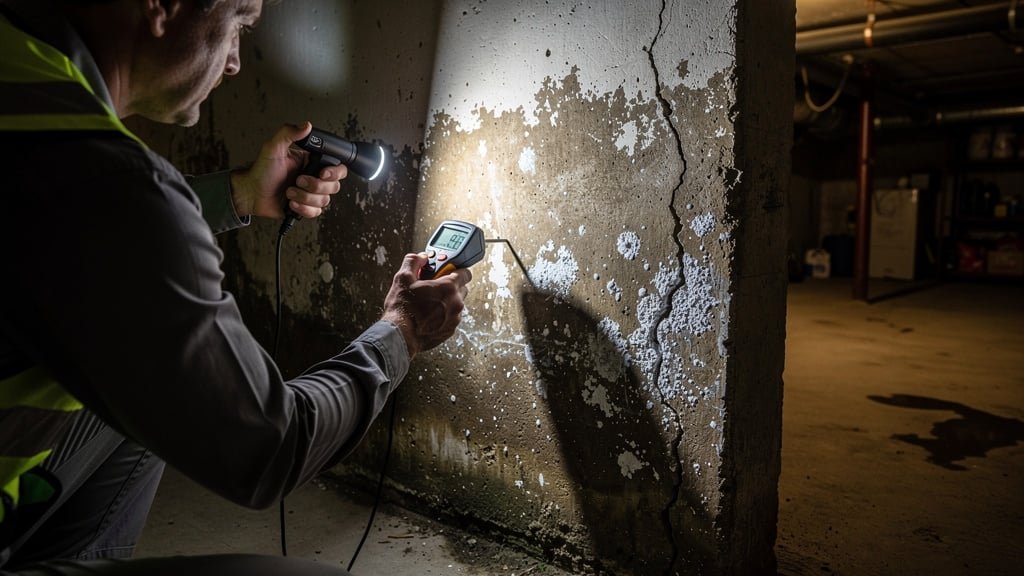
Damp Problems in Victorian Properties: Identification and Treatment
Damp is one of the most common problems affecting Victorian properties in Chiswick. Understanding the different types of damp, how to identify them, and the correct treatment methods is essential for any Victorian property owner.
As chartered building surveyors specializing in Chiswick's Victorian housing stock, we encounter damp issues in approximately 30% of the Victorian properties we survey. This comprehensive guide explains everything you need to know about damp in Victorian houses, from identification to effective treatment solutions.
Understanding Damp in Victorian Properties
Victorian terraced houses in Chiswick, built between 1837 and 1901, have unique construction characteristics that make them particularly susceptible to damp problems. Unlike modern properties with cavity walls and damp proof courses, Victorian houses typically feature solid brick walls without built-in moisture barriers.
Why Victorian Properties Are Prone to Damp
- Solid wall construction allows moisture to pass through from outside to inside
- Original lime mortar has often been replaced with cement, trapping moisture
- Aging or absent damp proof courses (DPCs) installed retrospectively
- Ground level changes over 150+ years bringing soil above DPC level
- Poor ventilation due to blocked airbricks and sealed chimneys
- Aging drainage systems and defective guttering causing water ingress
- Original slate or clay tile roofs with deteriorating flashings
The Three Main Types of Damp
Our building surveyors identify three distinct types of damp in Victorian properties, each requiring different treatment approaches.
1. Rising Damp
Rising damp occurs when ground moisture rises up through walls due to capillary action. It's most common in Victorian properties without a damp proof course or where the existing DPC has failed.
Signs of Rising Damp:
- Tide marks on walls up to 1 meter (3 feet) from ground level
- Damp patches that extend horizontally along the base of walls
- Salt deposits (efflorescence) appearing as white powdery crystals
- Peeling paint, wallpaper, and plaster at low levels
- Decaying skirting boards and timber floor joists
- Musty, damp smell particularly in ground floor rooms
- Black mold growth on lower walls and behind furniture
Common Causes in Chiswick Victorian Properties:
- Absent or failed slate DPC installed in the 1800s
- Ground levels raised above DPC height over time
- Cement render bridging the DPC and allowing moisture bypass
- Internal floor levels raised during renovations
- Solid floors without membranes laid directly on earth
- Defective or blocked drainage systems
2. Penetrating Damp
Penetrating damp occurs when water enters through external walls, roofs, or around windows due to defects. It's extremely common in Victorian properties with aging building fabric.
Signs of Penetrating Damp:
- Damp patches appearing after rain, particularly on external walls
- Staining that worsens during wet weather and improves when dry
- Damp patches on chimney breasts from defective flashing or pots
- Water stains on ceilings below roof valleys or parapet gutters
- Damp around window frames and lintels
- Localized damp patches rather than horizontal tide marks
Common Entry Points:
- Defective or missing roof tiles and slates
- Failed lead flashings around chimneys and roof junctions
- Cracked or porous brickwork allowing rain penetration
- Deteriorated pointing between bricks
- Blocked or leaking gutters and downpipes
- Cracked render or inappropriate cement-based coatings
- Poorly fitted or maintained windows and doors
- Defective or blocked airbricks
3. Condensation
Condensation is the most common form of dampness but is often misdiagnosed as rising or penetrating damp. It occurs when warm, moist air contacts cold surfaces, particularly in poorly ventilated Victorian properties.
Signs of Condensation:
- Streaming windows and wet window sills in the morning
- Black mold growth in corners, on ceilings, and behind furniture
- Damp patches on cold external walls, particularly north-facing
- Musty smell and a general feeling of dampness in rooms
- Water droplets forming on cold surfaces like tiles
- Worse in winter months when heating is on and windows closed
- Particularly bad in bathrooms, kitchens, and bedrooms
Why Victorian Properties Suffer Condensation:
- Modern lifestyles produce more moisture than Victorian living did
- Solid walls get colder than cavity walls, causing condensation
- Sealed chimneys and blocked airbricks reduce natural ventilation
- Double glazing without trickle vents traps moisture inside
- Inadequate heating allows cold spots where condensation forms
- Poor extractor fans in bathrooms and kitchens
Professional Damp Diagnosis
Accurate diagnosis is crucial because different types of damp require completely different treatments. Our chartered surveyors use multiple diagnostic methods to identify damp correctly.
Diagnostic Methods We Use
- Electronic moisture meters to measure moisture content in walls
- Thermal imaging cameras to identify cold spots and water ingress
- Gravimetric testing (laboratory analysis) for definitive moisture readings
- Salt analysis to distinguish rising damp from other moisture sources
- Calcium carbide testing for accurate moisture measurement
- Visual inspection of damp patterns and affected areas
- Analysis of building construction and materials
Treatment Solutions for Rising Damp
Rising damp treatment in Victorian properties requires careful consideration of the building's construction and breathability.
Chemical Damp Proof Course Injection
The most common treatment involves injecting a chemical damp proof barrier into the wall to prevent capillary rise of moisture.
- Holes drilled at regular intervals around the property perimeter
- Silicone or water-based damp proofing cream injected under pressure
- Typically comes with 20-30 year guarantee from approved contractors
- Replastering with renovating plaster to allow wall to breathe
- Cost: £40-£60 per linear meter for typical Victorian terrace
Physical Damp Proof Course
- New slate or plastic DPC inserted into cut horizontal slot
- More disruptive but potentially longer-lasting solution
- Suitable when walls need significant repair anyway
- Requires skilled contractors and careful execution
Ground Level Reduction
- Lowering external ground levels to expose existing DPC
- Creating French drains to improve drainage
- Often the most effective solution for Victorian properties
- Can be combined with breathable lime rendering
Treatment Solutions for Penetrating Damp
Treating penetrating damp requires identifying and repairing the specific defect allowing water ingress.
External Repairs
- Roof repairs - replacing broken tiles, slates, and lead flashings
- Repointing brickwork with appropriate lime mortar
- Gutter cleaning, repair, or replacement
- Rendering repairs using breathable lime-based materials
- Window frame repairs or replacements with proper sealing
- Chimney repairs including pots, flashing, and pointing
Wall Treatment
- Breathable water-repellent treatment for porous brickwork
- Lime-based renders allowing moisture to evaporate
- Avoid cement renders that trap moisture in walls
- Internal lime plasters for better breathability
Treatment Solutions for Condensation
Condensation requires lifestyle changes and improved ventilation rather than expensive building works.
Ventilation Improvements
- Install or upgrade extractor fans in bathrooms and kitchens
- Unblock or install airbricks for underfloor ventilation
- Consider positive input ventilation (PIV) systems
- Add trickle vents to double-glazed windows
- Open windows regularly to allow moisture escape
Heating and Insulation
- Maintain consistent low-level heating rather than intermittent high heat
- Internal wall insulation with breathable materials
- Secondary glazing rather than sealed double glazing
- Thermal curtains and draft excluders
Lifestyle Changes
- Dry clothes outside or use vented tumble dryers
- Use lids when cooking to reduce steam
- Keep furniture away from external walls for air circulation
- Avoid portable gas heaters that produce moisture
Common Damp Treatment Mistakes
Incorrect damp treatment can make problems worse in Victorian properties. Avoid these common errors:
- Using cement-based renders and plasters that trap moisture
- Treating condensation as rising damp with unnecessary DPC injection
- Sealing walls with waterproof paints preventing breathability
- Installing damp proof courses without addressing drainage issues
- Blocking all ventilation in attempt to reduce drafts
- Accepting damp treatment quotes without proper diagnosis
Conclusion
Damp problems in Victorian properties are common but manageable with correct diagnosis and appropriate treatment. The key is understanding which type of damp you're dealing with and choosing solutions that work with the building's original breathable construction rather than against it.
If you're concerned about damp in your Chiswick Victorian property, our RICS chartered surveyors can provide expert diagnosis and recommend appropriate treatment solutions. We use the latest diagnostic equipment and have extensive experience with Victorian building construction throughout West London.
Concerned About Damp in Your Property?
Our chartered surveyors provide expert damp surveys and diagnosis throughout Chiswick and West London.
Book Your Damp Survey