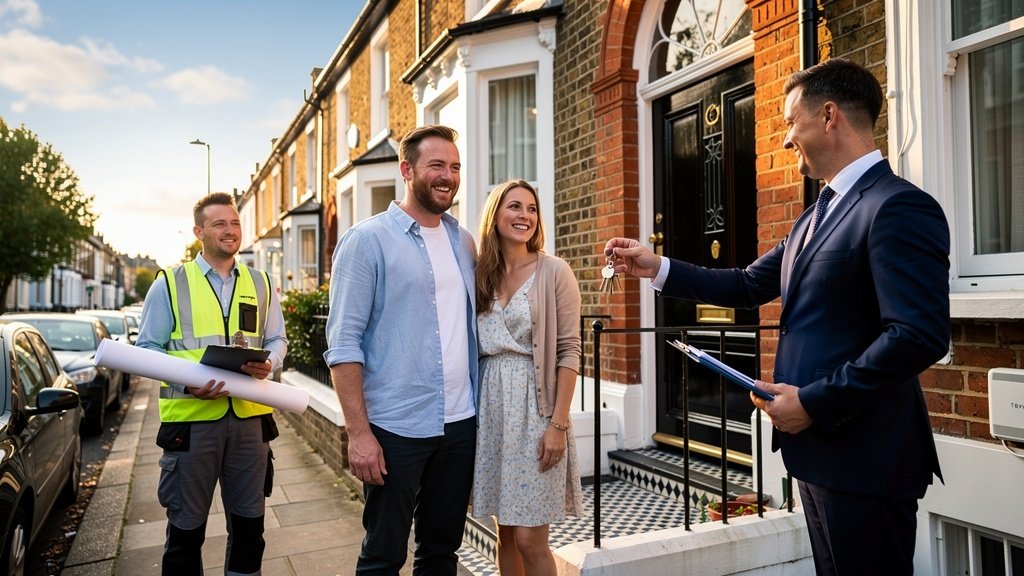
First-time buyers viewing property with surveyor

Complete Guide to Property Surveys for First-Time Buyers

January 15, 2024 By Chiswick Surveyors 8 min read

Buying your first home is exciting, but it's also one of the biggest financial decisions you'll ever make. A professional building survey is your safety net, protecting you from costly surprises and giving you the confidence to proceed with your purchase.

As experienced chartered surveyors in Chiswick, we've helped thousands of first-time buyers navigate the property survey process. This comprehensive guide explains everything you need to know about property surveys, from choosing the right type to understanding your survey report and using it to negotiate a better price.

Why First-Time Buyers Need a Property Survey

Many first-time buyers consider skipping a survey to save money, but this is a false economy. A survey typically costs between £400-£1,500, while hidden defects can cost tens of thousands to repair. Here's why a survey is essential for first-time homebuyers.

Protection from Hidden Defects

Properties often look perfect during viewings, but serious problems can hide beneath the surface. Our building surveyors regularly find issues that would never be obvious to a buyer:

  • Structural movement and subsidence in the foundations
  • Rising damp and penetrating moisture in walls
  • Roof defects that could cost £10,000+ to repair
  • Electrical wiring that doesn't meet current safety standards
  • Woodworm, dry rot, or wet rot in timber elements
  • Poor quality DIY alterations that affect structural integrity
  • Drainage problems and underground defects
  • Asbestos in older properties built before 2000

Negotiating Power

A survey report gives you leverage when negotiating with sellers. If the surveyor identifies significant defects, you can:

  • Request a price reduction to cover repair costs
  • Ask the seller to complete repairs before completion
  • Renegotiate terms based on the property's true condition
  • Walk away from the purchase if issues are too severe
  • Plan and budget for necessary repairs after moving in

We've seen first-time buyers successfully negotiate £15,000-£25,000 off asking prices after our surveys revealed undisclosed defects. Without a survey, you'd discover these problems only after legal completion when it's too late.

Types of Property Surveys Explained

Understanding the different survey types is crucial for first-time buyers. The Royal Institution of Chartered Surveyors (RICS) offers several survey levels, each suited to different property types and buyer needs.

RICS Level 2 Home Survey (Homebuyer Report)

The RICS Level 2 survey, formerly known as the homebuyer report, is the most popular choice for first-time buyers purchasing conventional properties in reasonable condition. This survey is ideal if you're buying:

  • Standard houses built after 1900 using conventional construction
  • Flats and maisonettes in good general condition
  • Properties that haven't been significantly altered
  • Homes with no obvious major defects during viewing

The Level 2 survey examines all accessible parts of the property and identifies defects using a traffic light rating system:

  • Green (1): No repair currently needed, normal maintenance required
  • Amber (2): Defects requiring future repairs or replacement
  • Red (3): Urgent defects requiring immediate attention or investigation

Our chartered surveyors provide detailed commentary on each element, explaining what we found and what action you should take. The report typically covers 50-60 pages and includes photographs of key defects.

RICS Level 3 Building Survey (Full Structural Survey)

A Level 3 building survey offers the most comprehensive analysis of a property's condition. First-time buyers should consider this option when purchasing:

  • Period properties built before 1900, especially Victorian or Edwardian terraces
  • Properties in poor condition or requiring renovation
  • Unusual construction types or non-standard materials
  • Properties that have been significantly altered or extended
  • Homes where you're planning major renovation work
  • Listed buildings or properties in conservation areas

The Level 3 survey provides detailed analysis of construction methods, extensive defect descriptions, and repair advice. Our building surveyors spend 3-5 hours inspecting the property and produce 80-100 page reports with comprehensive findings.

Mortgage Valuation vs Property Survey

Many first-time buyers mistakenly believe their mortgage valuation is sufficient. This is a dangerous assumption. Here's the critical difference:

  • Mortgage Valuation: A basic check for the lender to confirm the property is worth the loan amount, typically takes 15-30 minutes, doesn't check for defects
  • Property Survey: A detailed inspection for you as the buyer, takes 2-5 hours, identifies all defects and provides repair advice

The mortgage valuation protects the lender, not you. Only an independent building survey from a qualified RICS surveyor protects your interests as a first-time buyer.

How Much Does a Survey Cost for First-Time Buyers?

Survey costs vary based on property value, location, size, and survey type. Here's what first-time buyers in Chiswick and West London typically pay:

Typical Survey Costs

  • RICS Level 2 Survey: £400-£800 for properties up to £500,000
  • RICS Level 2 Survey: £600-£1,000 for properties £500,000-£1,000,000
  • Level 3 Building Survey: £700-£1,200 for properties up to £500,000
  • Level 3 Building Survey: £1,000-£1,800 for properties £500,000-£1,000,000
  • Additional Specialist Surveys: £200-£500 (e.g., damp surveys, electrical surveys)

While these costs might seem significant for first-time buyers on tight budgets, consider the potential savings. A £600 survey that identifies £20,000 of undisclosed repairs gives you incredible negotiating power and could save you tens of thousands of pounds.

What Affects Survey Costs?

  • Property size - larger homes take longer to inspect
  • Property age and condition - older properties require more detailed analysis
  • Location - London surveys typically cost more than other regions
  • Property type - flats are usually cheaper than houses
  • Access issues - properties with difficult access cost more
  • Surveyor qualifications - RICS chartered surveyors charge appropriate fees for professional service

What Your Surveyor Will Inspect

Understanding what a building survey covers helps first-time buyers appreciate the value. Our RICS chartered surveyors examine every accessible part of your prospective home:

External Elements

  • Roof coverings, flashings, and chimneys
  • Rainwater goods (gutters and downpipes)
  • External walls, pointing, and rendering
  • Windows, doors, and external joinery
  • Damp proof courses and drainage
  • Boundaries, retaining walls, and outbuildings
  • Paths, patios, and hard landscaping

Internal Elements

  • Roof structure and loft space
  • Ceilings, walls, and floors throughout
  • Internal doors and fittings
  • Kitchen and bathroom condition
  • Built-in storage and fixtures
  • Staircases and balustrades
  • Fireplaces and chimney breasts

Services

  • Heating system age and condition
  • Plumbing and water systems
  • Electrical installations (visual inspection)
  • Drainage systems where accessible

Understanding Your Survey Report

Your survey report arrives within 5-7 working days after the inspection. For first-time buyers, the technical language can be overwhelming. Here's how to read and understand your report effectively.

The Traffic Light System

RICS Level 2 surveys use a simple traffic light system that even first-time buyers find easy to understand:

  • Condition Rating 1 (Green): No immediate action required, budget for normal maintenance
  • Condition Rating 2 (Amber): Plan for repairs or replacement in the near future
  • Condition Rating 3 (Red): Urgent attention needed, get specialist quotes before completion

Key Sections to Focus On

  • Executive Summary: The most important findings at a glance
  • Urgent Defects: Problems requiring immediate attention
  • Significant Defects: Issues needing repair in 1-2 years
  • Recommended Actions: What you should do before completion
  • Estimated Costs: Rough costs for major repairs

Using Your Survey to Negotiate

As a first-time buyer, your survey report is a powerful negotiating tool. Here's how to use it effectively to get the best deal:

When to Renegotiate

  • Significant defects were not disclosed by the seller or estate agent
  • Urgent repairs identified will cost more than £5,000
  • Structural issues affect the property's value or mortgageability
  • Multiple amber-rated items requiring attention within 2 years

Negotiation Strategies

  • Get quotes from contractors for identified repairs
  • Present evidence professionally to the seller's agent
  • Request a specific price reduction matching repair costs
  • Alternatively, ask the seller to complete repairs before completion
  • Consider walking away if the seller won't negotiate on serious defects

Common Issues Found in First-Time Buyer Properties

Based on thousands of surveys we've conducted for first-time buyers in Chiswick and West London, these are the most common problems we find:

  • Damp problems affecting 30% of Victorian properties we survey
  • Roof defects in 45% of houses over 30 years old
  • Outdated electrical wiring requiring complete rewiring
  • Poorly installed cavity wall insulation causing damp
  • DIY alterations that don't meet building regulations
  • Japanese knotweed in gardens (a serious legal issue)
  • Leasehold issues affecting first-time buyers of flats

Choosing the Right Surveyor

As a first-time buyer, selecting a qualified building surveyor is crucial. Not all surveyors are equal. Here's what to look for:

  • RICS qualification (look for MRICS or FRICS after their name)
  • Local knowledge of Chiswick and West London properties
  • Experience with your property type (Victorian, modern, flats, etc.)
  • Professional indemnity insurance (minimum £1 million cover)
  • Clear, jargon-free reports that first-time buyers can understand
  • Availability to discuss findings after you receive the report
  • Independent from estate agents and lenders

Conclusion: Making the Right Decision

For first-time buyers, a professional building survey is an investment, not a cost. The peace of mind it provides, combined with the potential to negotiate thousands off the purchase price, makes it essential for any property purchase.

Don't make the mistake of skipping a survey to save a few hundred pounds. The average first-time buyer who discovers undisclosed defects after purchase faces repair bills averaging £12,000-£18,000. A £600 survey could save you ten times that amount.

At Chiswick Surveyors, our independent RICS chartered building surveyors specialize in helping first-time buyers make informed property decisions. We explain everything in plain English, answer all your questions, and provide the detailed analysis you need to buy with confidence.

Ready to Book Your Property Survey?

Get expert advice from our RICS chartered surveyors. We'll help you choose the right survey type and provide a comprehensive report within 5 working days.

Get Your Free Quote Today