Subsidence in Chiswick Properties: Signs, Causes and Solutions
Subsidence is one of the most serious structural problems that can affect properties in Chiswick. Understanding the signs, causes, and solutions is essential for any homeowner or property buyer in West London.
As experienced chartered building surveyors in Chiswick, we regularly encounter subsidence in Victorian and Edwardian properties throughout West London. This comprehensive guide explains everything you need to know about subsidence, from early warning signs to effective solutions and insurance implications.
What is Subsidence?
Subsidence occurs when the ground beneath a property moves downward, causing the building's foundations to sink. This downward movement creates structural stress that manifests as cracks, distortion, and potentially serious damage to the property.
In Chiswick and surrounding areas of West London, subsidence is particularly concerning due to the clay soil composition and the age of many properties. Victorian and Edwardian terraced houses, which dominate much of Chiswick's housing stock, are especially vulnerable to subsidence issues.
Types of Ground Movement
- Subsidence: Downward movement caused by soil shrinkage or consolidation
- Heave: Upward movement when clay soil expands after removing trees or during wet periods
- Settlement: Normal consolidation of soil under a building's weight in the first few years
- Landslip: Movement on sloping sites where soil slides downhill
Common Causes of Subsidence in Chiswick
Understanding what causes subsidence in Chiswick properties helps homeowners take preventative action and recognize risk factors during property purchases.
Clay Soil Shrinkage
Much of Chiswick sits on London Clay, which shrinks when it dries out and expands when wet. This cyclical movement, particularly during hot, dry summers, is the primary cause of subsidence in West London properties. The 2018 heatwave caused widespread subsidence claims across London, with Chiswick properties particularly affected.
Tree Root Damage
Trees extract moisture from clay soil, causing it to shrink and leading to subsidence. The most problematic trees for Chiswick properties include:
- Oak trees - roots can extend 30 meters from the trunk
- Willow trees - extremely thirsty, cause rapid soil drying
- Poplar trees - aggressive root systems seeking water
- Elm trees - widespread in West London, extensive root networks
- Plane trees - common street trees in Chiswick, large root spread
- Lime trees - popular ornamental trees with moisture-seeking roots
Leaking Drains and Water Mains
Water leaks can wash away soil beneath foundations or cause clay soil to expand, leading to heave. Victorian drainage systems in Chiswick properties are particularly prone to leaks and deterioration.
Mining and Ground Works
While less common in Chiswick, historical ground works, nearby construction, or excavation can disturb soil and cause subsidence in adjacent properties.
Identifying Subsidence: Key Warning Signs
Early detection of subsidence is crucial. As building surveyors, we look for specific patterns that indicate subsidence rather than normal settlement or thermal movement.
Cracks That Indicate Subsidence
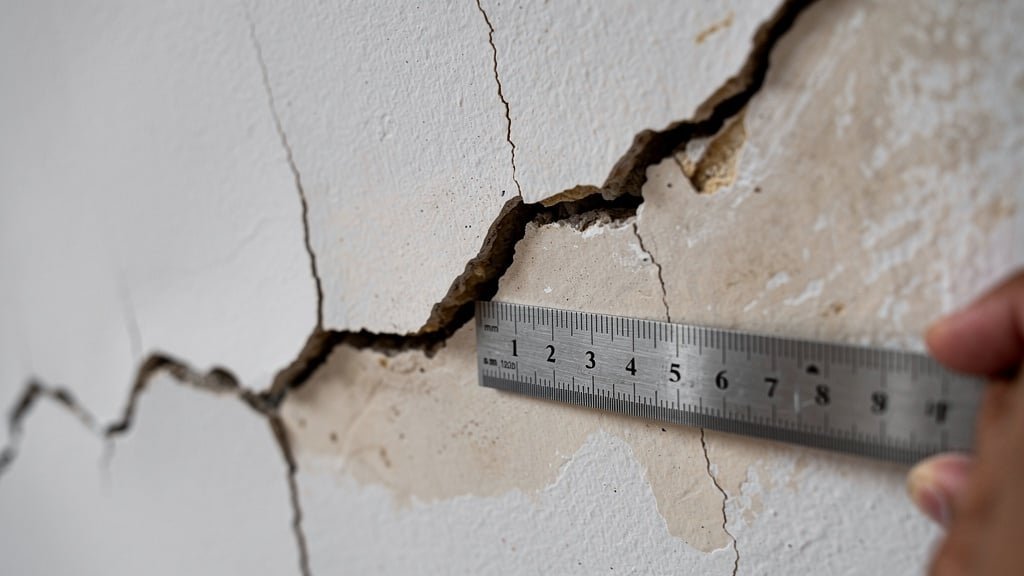
- Cracks wider than 3mm (about the width of a £1 coin)
- Diagonal cracks running at 45-degree angles from corners
- Cracks wider at the top than bottom (indicating downward movement)
- Cracks visible both internally and externally in the same location
- Cracks near doors and windows causing sticking or distortion
- Step cracks following brick courses in external walls
- Horizontal cracks in cavity walls where the wall is pulling apart
Other Subsidence Indicators
- Doors and windows sticking or refusing to close properly
- Gaps appearing around door frames and window frames
- Rippling or bulging in wallpaper not caused by damp
- Cracks in concrete floor slabs or patio areas
- Leaning or bulging walls, particularly external walls
- Gaps between walls and ceilings or floors
Subsidence vs Normal Settlement
Not all cracks indicate subsidence. Our chartered surveyors help property owners distinguish between serious structural movement and minor settlement.
Normal Settlement Characteristics
- Thin hairline cracks less than 1mm wide
- Vertical cracks that run straight up walls
- Cracks that appear in new properties within the first 2-3 years
- Cracks that remain stable over time without widening
- Minor cracks at wall and ceiling junctions
The Subsidence Investigation Process
When our building surveyors suspect subsidence during a property survey, we recommend a thorough investigation process to determine the extent and cause of the movement.
Initial Survey Assessment
- Detailed crack mapping throughout the property
- Assessment of crack patterns and widths
- External inspection of foundations where visible
- Identification of trees and vegetation near the property
- Review of drainage systems and potential leaks
- Analysis of soil type and local geology
Monitoring Period
Subsidence monitoring typically involves installing tell-tales or crack gauges to measure movement over 6-12 months across different seasons. This determines whether the subsidence is active, historic, or stabilized.
Subsidence Solutions and Repairs
The appropriate solution for subsidence depends on the cause and severity. Modern approaches focus on addressing the underlying cause rather than just treating symptoms.
Tree Management Solutions
- Crown reduction to decrease water demand without removing trees
- Tree removal where absolutely necessary with insurance approval
- Root barriers to prevent future root encroachment
- Careful planning before planting new trees near properties
Underpinning
Traditional underpinning involves excavating beneath existing foundations and extending them to stable ground. Modern alternatives include:
- Mass concrete underpinning - traditional but effective
- Mini-piled underpinning - less disruptive modern solution
- Resin injection - chemical stabilization of soil
- Grout injection - filling voids beneath foundations
Insurance and Subsidence Claims
Subsidence damage is typically covered by buildings insurance, but the claims process can be complex and lengthy. Understanding your insurance coverage is essential for Chiswick homeowners.
Making a Subsidence Claim
- Contact your insurer immediately when subsidence is suspected
- The insurer will appoint a loss adjuster and structural engineer
- Expect a monitoring period of 6-12 months before repairs begin
- Typical excess for subsidence claims is £1,000-£1,500
- Keep detailed records and photographs throughout the process
Buying a Property with Subsidence History
Properties in Chiswick with previous subsidence can still be good purchases if properly repaired and monitored. Our building surveyors advise clients on assessing subsidence-affected properties.
- Request evidence of completed underpinning work and Building Control sign-off
- Check for guarantees on repair work (typically 10 years)
- Obtain insurance quotes before committing to purchase
- Commission a full structural survey from an independent RICS surveyor
- Negotiate the purchase price to reflect the subsidence history
Preventing Subsidence in Your Chiswick Property
- Maintain consistent soil moisture levels during dry periods
- Install soakaways to manage surface water drainage
- Keep drains and gutters clear and well-maintained
- Manage trees appropriately - regular pruning and monitoring
- Don't plant large trees closer than their mature height to buildings
- Inspect your property regularly for early warning signs
Conclusion
Subsidence is a serious but manageable issue for Chiswick property owners. Early detection through regular inspections and professional surveys is key to preventing major damage. If you're buying a property in Chiswick or concerned about subsidence in your existing home, our RICS chartered surveyors can provide expert assessment and advice.
Concerned About Subsidence?
Our chartered building surveyors provide expert subsidence assessments throughout Chiswick and West London.
Book Your Building Survey