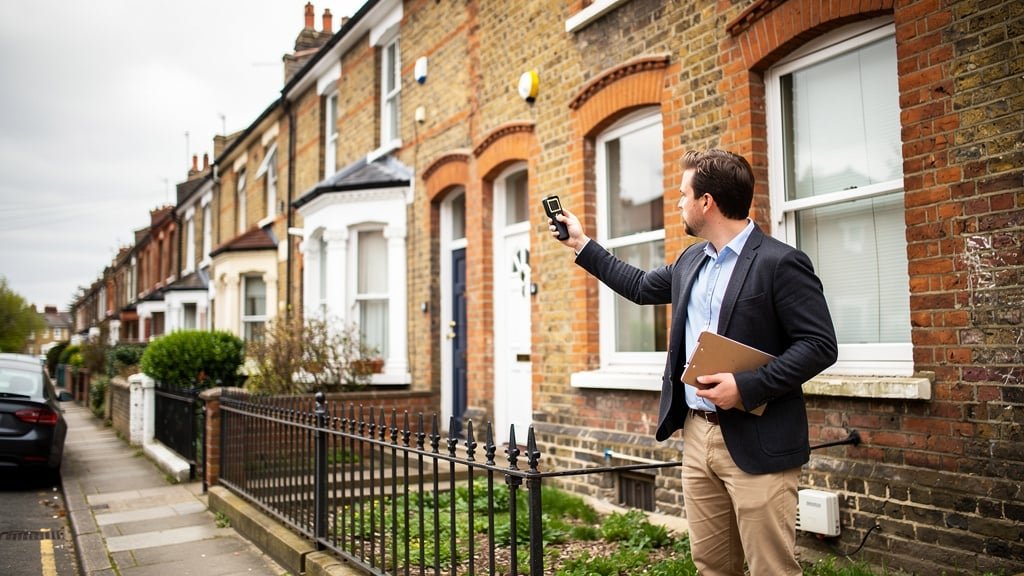
Common Defects Found in Victorian Terraced Houses
Victorian terraced houses dominate Chiswick's housing stock. Understanding the common defects these properties suffer helps buyers make informed decisions and budget for repairs.
As chartered building surveyors conducting hundreds of Victorian property surveys in Chiswick annually, we see the same defects repeatedly. These beautiful period homes, built between 1837 and 1901, share common construction methods and consequently common problems. This comprehensive guide explains what we typically find during surveys of Victorian terraced houses in West London.
Understanding Victorian Construction
To understand why Victorian terraces develop specific defects, you first need to understand how they were built. Victorian construction differs significantly from modern building methods.
Typical Victorian Terrace Construction
- Solid brick walls (9-14 inches thick) without cavities
- Lime mortar pointing allowing walls to breathe
- Slate or clay tile roof coverings
- Suspended timber floors on brick sleeper walls
- Single-glazed sash windows with timber frames
- Original slate damp proof courses (if any)
- Lead or cast iron gutters and downpipes
- Lime plaster on internal walls
- Party walls sharing structure with neighbors
Roof and Chimney Defects
The roof is one of the most common areas where we find defects in Victorian terraced houses. Original Victorian roofs are now 120-180 years old and many components have exceeded their lifespan.
Slate Roof Problems
- Slipped or missing slates (nails corroded after 100+ years)
- Delaminating slates (layers separating causing leaks)
- Nail sickness (iron nails rusted through)
- Reduced lap between slates reducing weatherproofing
- Ridge tiles loose or missing (mortar deteriorated)
- Valley gutters lined with lead that has split or failed
- Typical repair cost: £8,000-£15,000 for full re-roof
Chimney Stack Issues
- Leaning chimney stacks (common in Victorian terraces)
- Failed chimney pots allowing rain penetration
- Deteriorated lead flashings around chimney base
- Porous or spalling brickwork on exposed stacks
- Failed pointing between bricks
- Chimney breast removal affecting structural stability
- Internal damp stains from chimney penetration
Roof Structure Defects
- Rafter spread causing roof distortion
- Missing or inadequate bracing
- Woodworm in roof timbers
- Dry rot where timbers contact damp masonry
- Inadequate insulation (modern standards require 270mm)
- Poor ventilation in loft space
Damp and Moisture Problems
Damp is perhaps the most common issue we identify in Victorian terraced houses in Chiswick. The solid wall construction makes these properties particularly vulnerable to moisture problems.
Rising Damp
- Absent damp proof course (many Victorian terraces built without one)
- Failed slate DPC installed in the late Victorian period
- Ground levels raised above DPC over decades
- Bridging of DPC by cement render or internal floors
- Tide marks on walls up to 1 meter from ground level
- Salt deposits and blown plaster at low level
- Decaying skirting boards and timber floors
- Treatment cost: £40-£60 per linear meter for chemical DPC
Penetrating Damp
- Solid walls allowing rain penetration through porous brickwork
- Failed or inappropriate cement renders trapping moisture
- Deteriorated pointing allowing water ingress
- Defective gutters and downpipes causing localized damp
- Window and door frame defects
- Parapet wall issues on end-of-terrace properties
Condensation Issues
- Solid walls get colder than cavity walls
- Sealed chimneys reducing natural ventilation
- Modern living producing more moisture than Victorian lifestyle
- Black mold growth particularly in corners and behind furniture
- Streaming windows and wet window sills
Structural Movement and Subsidence
Victorian terraced houses in Chiswick commonly show signs of structural movement. Not all movement indicates serious problems, but it requires expert assessment.
Common Causes of Movement
- Clay soil shrinkage during dry periods
- Tree root activity (oak, willow, poplar trees common in Chiswick)
- Leaking drains washing away soil beneath foundations
- Shallow foundations typical of Victorian construction
- Removal of chimney breasts affecting structural loading
- Party wall movement from neighboring building works
Signs of Structural Movement
- Diagonal cracks running at 45-degree angles from corners
- Cracks wider at top than bottom (tapering)
- Step cracks following brick courses
- Cracks wider than 3mm (about £1 coin width)
- Doors and windows sticking or distorted
- Gaps between walls and ceilings or floors
- Leaning external walls or bulging sections
Window and Door Defects
Original Victorian windows and doors have often lasted remarkably well, but after 120+ years, many require attention or replacement.
Sash Window Problems
- Rot in bottom sash rails and cill sections
- Broken sash cords preventing window operation
- Deteriorated putty allowing glazing to slip
- Paint build-up preventing smooth operation
- Missing or damaged ironmongery
- Draughts and heat loss through single glazing
- Repair cost: £200-£400 per window for overhaul
- Replacement cost: £800-£1,200 per window for like-for-like timber sash
Door Issues
- Rot in bottom door rails and thresholds
- Distorted frames from structural movement
- Failed or inadequate draught proofing
- Deteriorated external door finishes
- Poor security with original locks
Floor and Foundation Issues
Victorian suspended timber floors are prone to specific problems, particularly in terraced properties with limited underfloor ventilation.
Suspended Floor Defects
- Rot in floor joists where they enter damp external walls
- Inadequate underfloor ventilation
- Blocked or absent air bricks
- Woodworm in floor timbers
- Sleeper walls collapsed or deteriorated
- Springy or bouncy floors indicating joist failure
- Gaps between floorboards and skirting
Solid Floor Issues
- Later concrete floors laid without damp proof membranes
- Damp rising through solid floors
- Cracking due to settlement or heave
- Poor connection between old walls and newer floors
Electrical Installation Concerns
Many Victorian terraces in Chiswick have outdated electrical installations requiring upgrading or complete rewiring.
Common Electrical Issues
- Rubber or fabric-covered wiring (pre-1960s, unsafe)
- Lead-sheathed wiring (1940s-1960s, deteriorating)
- Inadequate number of sockets for modern living
- Old fuse boards without RCD protection
- Surface-mounted wiring added piecemeal over decades
- No earthing or inadequate earthing
- Rewiring cost: £4,000-£8,000 for typical 3-bed terrace
Plumbing and Heating Defects
Original Victorian plumbing has long been replaced, but many properties still have aging systems requiring attention.
Plumbing Issues
- Lead water supply pipes (health hazard, should be replaced)
- Galvanized steel pipes prone to corrosion and blockage
- Victorian clay drainage systems prone to collapse
- Tree root ingress into old drains
- Failed underground drainage causing damp
- Inadequate water pressure in upper floors
Heating System Problems
- Boilers over 15 years old nearing end of life
- Single-pipe heating systems inefficient
- Radiators undersized for solid wall properties
- No central heating (some Victorian terraces still using fires)
- Inadequate insulation making properties expensive to heat
Extension and Alteration Issues
Most Victorian terraces in Chiswick have been extended or altered over the years. These modifications often create problems.
Common Extension Defects
- Rear extensions with inadequate foundations
- Poor connection between old and new work
- Flat roofs over extensions prone to leaking
- Inadequate damp proofing in newer sections
- Work done without building regulations approval
- Party wall issues from undocumented works
Loft Conversion Problems
- Insufficient headroom for building regulations
- Inadequate structural support for new floor
- Poor fire separation from lower floors
- Inadequate escape routes
- Dormer windows leaking or poorly constructed
- Work done without approval reducing property value
Garden and Boundary Issues
The external areas of Victorian terraces often show defects that require attention.
- Original Victorian brick boundary walls leaning or bulging
- Failed copings allowing water penetration into walls
- Subsidence affecting garden walls and outbuildings
- Tree root damage to paving and drainage
- Original coal cellar hatches and lights deteriorated
- Japanese knotweed or other invasive plants
What to Expect from a Victorian Terrace Survey
When our chartered surveyors inspect Victorian terraced houses in Chiswick, we typically find a combination of these issues:
- Multiple defects are normal - it's a 120+ year old building
- Average repair costs £15,000-£30,000 for typical defects
- Major structural issues add significantly to costs
- Budget £3,000-£5,000 for rewiring
- Roof repairs often £8,000-£15,000
- Damp treatment £3,000-£8,000 depending on extent
- Most issues are manageable and expected for property age
Conclusion
Victorian terraced houses in Chiswick are beautiful, characterful properties that make excellent homes. Understanding the common defects these properties suffer helps buyers make informed decisions and budget appropriately for repairs. While the list of potential issues may seem daunting, most Victorian terraces have been standing for over a century and will continue to do so with appropriate maintenance.
A comprehensive building survey from our RICS chartered surveyors will identify which defects affect your specific property, prioritize repairs, and provide cost guidance. This information is invaluable for negotiating the purchase price and planning necessary works.
Buying a Victorian Terrace in Chiswick?
Our chartered surveyors specialize in Victorian property surveys throughout Chiswick and West London.
Book Your Survey Today