The condition of the roof is one of the most important — and most expensive — things to understand when buying a property. A roof replacement on a typical Chiswick Victorian terrace can cost anywhere from £8,000 to £25,000 or more depending on the type of roof, the materials and the extent of any associated repairs to guttering, fascias, soffits and flashings.
In this article, I'll walk you through exactly how I assess a roof during a Level 3 Building Survey — and the things I find most often in older West London properties.
How We Access the Roof
During a survey, we assess the roof from multiple vantage points:
- External inspection: From ground level using binoculars, and where safe, from elevated positions (an adjacent flat roof, an extension roof, or an upstairs window). We photograph the roof covering, ridge, chimney stacks, verges, eaves and any flashings.
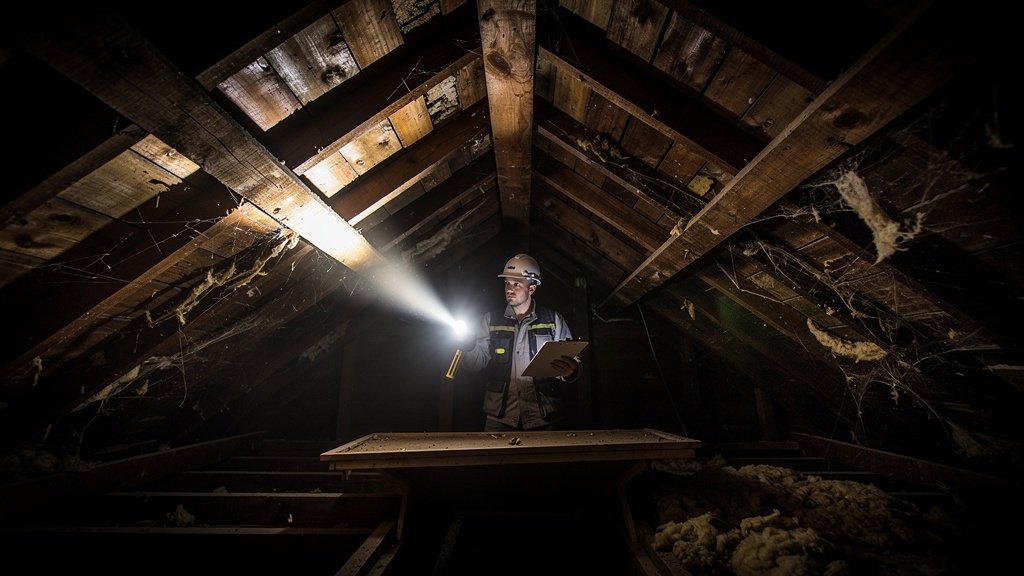
- Internal inspection from the loft hatch: We inspect as much of the roof structure as we can access through the loft hatch — inspecting the rafters, ceiling joists, purlins, bracing and any insulation. This is where we often find the most significant issues.
- Internal inspection of the ceilings below: Water staining on ceilings tells its own story. A yellow-brown ring stain is a strong indicator of a past or present roof leak.
What We Look for on the Exterior
The Roof Covering
For Victorian and Edwardian properties in Chiswick, the most common roof covering is clay plain tiles or natural slate. Both can last 80–150 years if laid on sound battens and in good condition. What we look for:
- Slipped, cracked or missing tiles/slates — which allow water ingress
- Moss and lichen growth — which retains moisture and can accelerate deterioration
- Sagging or unevenness in the roof plane — which suggests movement in the structure below
- Evidence of patching with different materials — which can indicate a history of problems
The Ridge and Verge
The ridge tiles at the apex of a pitched roof are typically bedded in mortar. This mortar deteriorates over time and can crack or fall away, leaving gaps that allow water and birds to enter the roof space. Failed ridge mortar is one of the most common defects I identify — it's usually a manageable repair (£500–£1,500 for pointing or re-bedding the ridge) but if left unattended can lead to more serious water damage inside.
Chimney Stacks
Victorian properties in Chiswick typically have one or more chimney stacks. These are complex elements that combine brickwork, flashings, pointing and often a stack cap. The flashings — the lead or zinc strips that seal the joint between the chimney stack and the roof slope — are a common source of water ingress when they fail. I always inspect chimney stacks carefully, particularly on the north-facing side where frost action can accelerate deterioration.
Gutters and Downpipes
Technically part of the external drainage rather than the roof, gutters and downpipes are nevertheless a critical part of any roof assessment. A blocked or failed gutter can cause water to run down the face of the wall — the primary cause of penetrating damp in many of the older Chiswick properties I survey.
What We Look for Inside the Loft
The loft inspection is often where the real story of a roof's condition emerges. In the loft, I look for:
- Water staining or streaks on the rafters: Evidence of past or current leaks. Fresh staining is a concern; old, dry staining suggests the issue may have been resolved.
- Timber decay or rot: Particularly in the ends of the rafters where they sit in the wall plate at eaves level. This zone is vulnerable to condensation and water ingress and is one of the first places timber deteriorates in older roofs.
- Evidence of previous repairs: Particularly felt patches or areas of fresh timber. These tell a story about the roof's history that needs investigation.
- The condition of the breathable roof felt or sarking felt: Older roofs are often laid with a bitumen-based felt that has a limited lifespan. Failed felt can allow wind-driven rain to penetrate even when the tiles themselves are intact.
- Adequate ventilation: A poorly ventilated roof void is prone to condensation, which can cause interstitial dampness in the roof timbers over time.
Flat Roofs
Many Victorian and Edwardian houses in Chiswick have flat or near-flat roof sections — typically over bay windows, rear additions and outriggers. Flat roofs have a significantly shorter lifespan than pitched roofs — typically 10–20 years for felt, 20–40 years for GRP fibreglass or EPDM rubber membranes. Failed flat roofs are extremely common in older properties and represent one of the more predictable costs of ownership.
During a survey I assess the condition of the flat roof covering, look for blistering, cracking or ponding water, and check the details at upstands and parapets where leaks most often occur.
What Happens if the Survey Finds Roof Problems?
The key question is: how significant is the issue and what will it cost to fix? Our Level 3 survey reports prioritise findings and give you an estimated cost range for significant defects. This information is valuable for:
- Renegotiating the purchase price
- Budgeting for post-purchase repairs
- Deciding whether to proceed with the purchase at all
We can also recommend reputable local roofing contractors if you want comparative quotes before exchange.
Contact us to commission a survey, or read more about our Level 3 Building Surveys.
Related Guides
- Level 2 vs Level 3 Survey: Which Do You Need?
- Rising Damp in Victorian Houses
- How to Use a Survey to Renegotiate Your Price

James Hartley
Director and founding surveyor at Chiswick Surveyors. Specialises in complex residential surveys and period property assessment across West London.