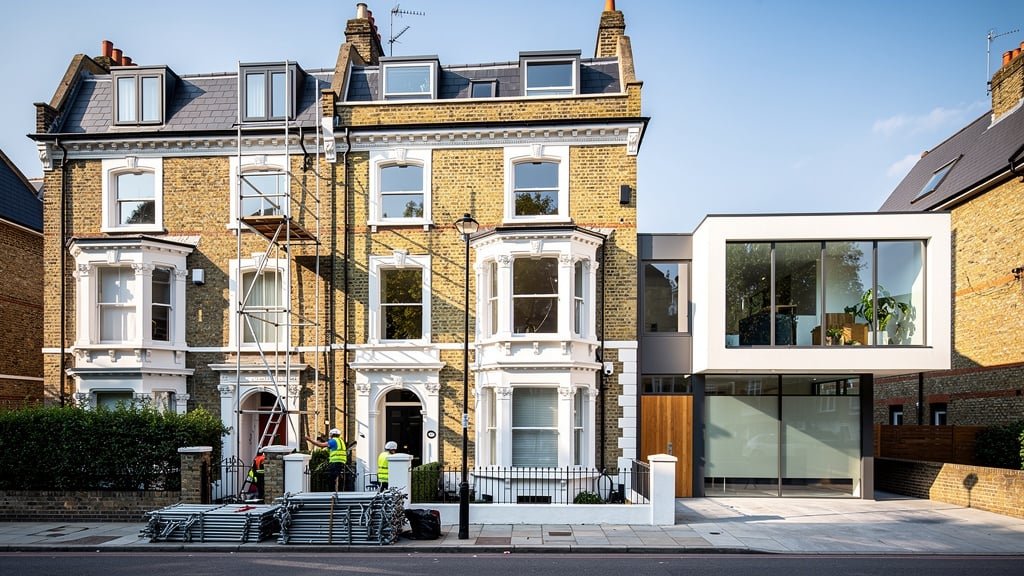
Loft conversions are one of the most popular ways to add space and value to a Chiswick home. But before your builder goes near the roof, Chiswick Surveyors recommend three critical steps that could save you a fortune — and protect you legally. In Chiswick, where Victorian terraces dominate the housing stock and conservation area restrictions are common, skipping the pre-works groundwork is a risk no homeowner can afford.
The appeal of a loft conversion is obvious. Victorian terraces typically have generous roof pitches, and converting that unused space into a bedroom and bathroom can add 15–20% to a property's value. Given that Chiswick property values regularly exceed £1 million, that represents a substantial return on a project that typically costs £40,000–£80,000.
But loft conversions on Victorian properties are not straightforward. The roof structures of 19th-century terraces were not designed to support the loads that a habitable room imposes, and carrying out a loft conversion without properly understanding the existing structure can lead to serious and expensive problems. Here is exactly what you need in place before building work begins.
Step 1: A Pre-Works Building Survey
Before any architect or builder is instructed, commissioning a Level 3 Building Survey is one of the smartest investments a Chiswick homeowner can make. A pre-works survey goes beyond the standard home buyer's report — it specifically assesses the existing structure against the demands that a loft conversion will place upon it. Here is what it tells you.
The Existing Roof Structure
Victorian roof structures use a "cut rafter" system — individual rafters cut on site and fixed to a ridge board, with purlins providing intermediate support. This system performs brilliantly as a roof. As a loft conversion platform, it has significant limitations that a pre-works survey will identify:
- Roof spread: Where the roof structure has pushed the external walls outward over decades — a common finding in Chiswick terraces — this must be addressed structurally before conversion begins. If it isn't, the conversion works can accelerate the movement.
- Rotten or damaged purlins and ridge boards: Structural timbers in poor condition need replacement before the new structural elements of the conversion can be installed safely.
- Missing or inadequate collar ties: Where horizontal bracing timbers have been removed — sometimes to create more usable loft storage — the structural implications must be understood before any additional load is introduced.
- Head height and pitch: Not every Chiswick terrace has sufficient existing roof height to make a habitable loft room economically viable. A pre-works survey assesses this clearly before you commit to architect fees.
Hidden Damp and Rot in the Roof Space
Roof spaces in Victorian properties are often the last place to receive any maintenance attention. We regularly encounter the following in Chiswick loft surveys:
- Active roof leaks from failed flashings, cracked or slipped tiles, or deteriorated lead valleys — often invisible from below until the roof is disturbed
- Dry rot in roof timbers — frequently invisible on the surface until the timber is probed, by which point replacement is unavoidable
- Wet rot in wall plates — the horizontal timbers on which the rafters sit — caused by years of moisture penetration at the eaves
- Evidence of wood-boring beetle activity in structural timbers, particularly common in roof spaces with poor ventilation
If your builder starts cutting into the roof and discovers dry rot, the project cost immediately escalates — often by £10,000–£25,000 — and the programme is delayed significantly. A pre-works survey identifies these issues before you have committed to a contractor price or a start date.
Chimney Stack Condition
Most Chiswick Victorian terraces have one or more chimney stacks that pass through the loft space. Their condition is directly relevant to any loft conversion project. Deteriorating chimney stacks may need to be rebuilt, repointed or removed as part of the conversion. If they are in poor condition when left undisturbed, opening up the roof space and creating a habitable room around them will simply import a moisture and structural problem into your new bedroom.
We assess flaunching, pointing, flashings and the structural condition of each stack as part of our pre-works survey — giving you and your architect a clear picture of what needs to be addressed in the scope of works.
Wall and Floor Structure Below
A loft conversion significantly increases the loads on the external walls and floor structures below. A loaded habitable loft room imposes loads on the structure that an empty roof space does not. Our survey assesses:
- Whether the existing external walls are in suitable condition to support the additional loading from the new structural elements
- Whether the first-floor ceiling joists are adequate to serve as the floor of the new loft room — in most Victorian terraces, they are not, and new structural floor joists will be required
- The condition of the internal load-bearing walls that will carry the new structural elements
Discovering that the first-floor joists are undersized after the conversion has already started is an exceptionally expensive problem. It is always better to know before you begin.
Step 2: Party Wall Notices
Loft conversions in terraced or semi-detached houses almost always involve works that trigger obligations under the Party Wall etc. Act 1996. The Act requires you to notify your adjoining neighbours — in writing, using a formal Party Wall Notice — before carrying out specific categories of work. For a loft conversion, the relevant works typically include:
- Cutting into the party wall to install new floor or structural beam bearings — this requires a Party Structure Notice served at least two months before works start
- Building on the boundary line — relevant for dormer cheeks that sit on or close to the party wall
- Thickening the party wall to support new structural elements within the loft space
- Excavation close to the neighbour's foundations — relevant where a simultaneous rear extension is being carried out alongside the loft conversion
Your adjoining neighbours have statutory rights under the Act. On receipt of a Party Wall Notice, they can consent in writing (in which case no further formality is needed), or they can dissent — in which case a Party Wall Award must be agreed and issued by appointed surveyors before works can proceed.
"I've seen loft conversion projects delayed by three months because the party wall notices weren't served early enough and the neighbour's appointed surveyor had a full diary. Start the party wall process at least two months before you plan to break ground — ideally at the same time as your planning application."
Our party wall surveyors in Chiswick handle the entire process — from preparing and serving the initial notices through to drafting and issuing the Party Wall Award. A Schedule of Condition survey — which records the existing state of your neighbours' property in detail before works begin — is an essential part of the party wall process. It protects you against claims that your works caused damage which, in fact, existed before you started.
Step 3: Budget Contingency Planning
The third critical pre-works step is using your survey findings to build a realistic contingency budget. This is perhaps the most practical day-to-day benefit of commissioning a thorough pre-works survey: you go into the project knowing what you are dealing with financially, before you sign a building contract and before your builder is on site.
Typical loft conversion costs in Chiswick in 2025–2026:
- Rear dormer only (terraced house): £40,000–£55,000
- Hip-to-gable with rear dormer (terraced): £55,000–£75,000
- Mansard conversion: £70,000–£100,000 and above
- Add 10–20% contingency for unforeseen structural works on any Victorian property
If a pre-works survey reveals rotten purlins, a structurally compromised chimney stack and active roof spread, you might realistically be adding £15,000–£30,000 to those costs for remediation before the conversion itself can begin. It is far better to know this before you have agreed a fixed-price contract with a builder who has not seen the full picture.
Conservation Area Considerations in Chiswick
As we discuss in our guide to planning permission in Chiswick, properties in conservation areas — including much of Bedford Park and Chiswick Village — face significant additional planning constraints for loft conversions. Rear dormers are generally permitted development in most of Chiswick; front dormers visible from the highway are not. In a conservation area, even rear dormers may require planning permission if their design is not considered sympathetic to the character of the street.
The London Borough of Hounslow takes the protection of conservation area character seriously, and Bedford Park in particular has detailed design guidance for new works. Your architect will need to work within both the planning constraints and the structural realities identified by your pre-works survey. Getting both pieces of information early — before you commit to a design — avoids abortive work and wasted fees.
A Real Case: Turnham Green Terrace
One of our clients — a family in a four-bedroom Victorian terrace close to Turnham Green station — came to us before instructing a builder for what they expected would be a straightforward rear dormer conversion. Our pre-works survey found a rather different picture:
- Significant dry rot in both purlins on the rear roof slope, requiring complete replacement before any conversion work could begin
- The rear chimney stack was in very poor condition — flaunching failed, pointing severely eroded — and would have become an emergency during construction if left unaddressed
- The first-floor rear joist span was inadequate for the imposed loads of a habitable loft room, requiring a full new structural floor system
Armed with this information, our clients were able to get accurate quotes from builders that included the remedial works in the scope from day one. They adjusted their contingency budget realistically and instructed their structural engineer with a clear brief. The project was completed on programme, on budget, because there were no surprises once the roof was opened up. Without the pre-works survey, those surprises would have been extremely expensive ones.
Frequently Asked Questions: Loft Conversions in Chiswick
Do I always need planning permission for a loft conversion in Chiswick?
Not always — many loft conversions qualify as permitted development and don't require a full planning application. However, in Chiswick's conservation areas (including Bedford Park and Chiswick Village), works that would be permitted development elsewhere may require planning permission. Properties affected by Article 4 Directions have reduced PD rights. Always check with the London Borough of Hounslow planning department before starting — or consider applying for a Certificate of Lawful Development to confirm your position before work begins.
Do I need building regulations approval for a loft conversion?
Yes — virtually all loft conversions require Building Regulations approval, regardless of whether planning permission is needed. Building Regulations cover structural integrity, fire safety and means of escape, thermal performance and staircase design. Your architect and structural engineer will typically coordinate the Building Regulations application as part of their services. A loft conversion completed without Building Regulations approval will cause serious problems when you come to sell.
How long does a loft conversion take in Chiswick?
A typical rear dormer loft conversion takes 8–12 weeks on site once work begins. But you need to add the lead time: planning permission (if required) takes up to 8 weeks, Building Regulations approval takes several weeks, and party wall procedures take a minimum of one to two months. For a typical Chiswick project, budget a total of 4–6 months from concept to completion — longer if the property is in a conservation area or if structural remediation is needed before conversion works can start.
Will a loft conversion add value to my Chiswick property?
In Chiswick's market, a well-executed loft conversion — particularly one adding a bedroom and en-suite bathroom — typically adds more value than the cost of the works. The addition of a fifth bedroom to a four-bedroom Victorian terrace, for example, can add £100,000–£200,000 to the market value in the right street. Our RICS registered valuers can provide a pre- and post-conversion valuation to help you build the financial case before committing to the project.
When do I need to serve party wall notices for a loft conversion?
Party Wall Notices must be served on adjoining owners at least one month before work starts (two months for works directly on the party wall or boundary). We strongly recommend starting the party wall process as early as possible — ideally at the same time as your planning application — to avoid any delay to your construction programme. Your neighbours are entitled to take their time responding, and if they dissent, the process of agreeing and issuing a Party Wall Award can take several additional weeks.
Can I use the same surveyor for both the pre-works survey and the party wall work?
Yes — and at Chiswick Surveyors, this is exactly what we offer. We handle both the pre-works building survey and all party wall matters in-house, giving you a single, trusted point of contact through the entire pre-construction process. We know the property, we know the structure, and we can give your party wall documents the technical depth they need to protect both you and your neighbours.
Related Guides from Chiswick Surveyors
- Planning Permission & Permitted Development in Chiswick: A Homeowner's Guide
- Party Wall Agreements: A Complete Guide for Chiswick Homeowners
- Structural Issues in Chiswick Homes: What Buyers Need to Know
- What Surveyors Look for When Inspecting a Roof
- Explore all our survey and valuation services

Tom Fielding
MRICS-accredited surveyor at Chiswick Surveyors with specialist expertise in pre-works building surveys, party wall matters and loft conversion assessments across West London. Tom has assessed hundreds of Victorian roof structures in Chiswick and the surrounding W4 postcode.